
The Best Time of Year to Schedule Your Driveway Paving Project
Timing plays a surprisingly significant role in the success of any driveway paving project, influencing everything from how well the material cures to how smoothly the overall installation process unfolds. While many homeowners simply schedule paving work whenever the need arises or their schedule allows, understanding how seasonal conditions affect asphalt performance can help ensure you achieve the best possible results from this significant home investment. Given how substantial this industry remains nationally, it's clear that many homeowners continue prioritizing quality paving work for their properties. According to IBIS World, the market size of the asphalt manufacturing industry in the US is $37.5 billion in 2026, reflecting just how significant and active this material remains within residential and commercial construction projects across the country. Below, we'll explore the best time of year to schedule your driveway paving project and why this timing consideration genuinely matters.
Understanding Why Temperature Matters for Asphalt
Asphalt requires specific temperature conditions to properly compact and cure, making seasonal timing a genuinely important consideration for achieving a durable, long-lasting driveway surface. When temperatures drop too low, asphalt cools and hardens too quickly during installation, making it difficult to achieve proper compaction and potentially resulting in a weaker, less durable finished surface. Conversely, extremely hot temperatures can make asphalt too soft and pliable during installation, potentially leading to issues with proper leveling and finishing. Understanding this temperature sensitivity helps explain why professional paving contractors typically recommend specific seasonal windows for driveway paving projects, rather than scheduling work purely based on convenience or immediate availability. This temperature consideration forms the foundation for understanding why certain times of year genuinely produce better driveway paving results than others.
Recognizing Late Spring Through Early Fall as Ideal
Generally speaking, the period from late spring through early fall tends to offer the most favorable temperature conditions for driveway paving projects across most regions of the country, providing the warm, stable temperatures asphalt needs for proper installation and curing. This extended window allows for more flexible scheduling compared to more limited seasonal opportunities, while still avoiding the extreme heat that can sometimes complicate summer paving work in particularly hot climates. Working with an experienced paving contractor helps identify the specific optimal timing within this broader window based on your particular regional climate patterns and typical seasonal weather variations. This general guideline provides a helpful starting point for homeowners beginning to plan their driveway paving project, though specific timing recommendations may vary somewhat based on local conditions. Understanding this broader seasonal window helps homeowners begin planning their project timeline with reasonable expectations for optimal results.
Considering the Advantages of Early Summer Timing
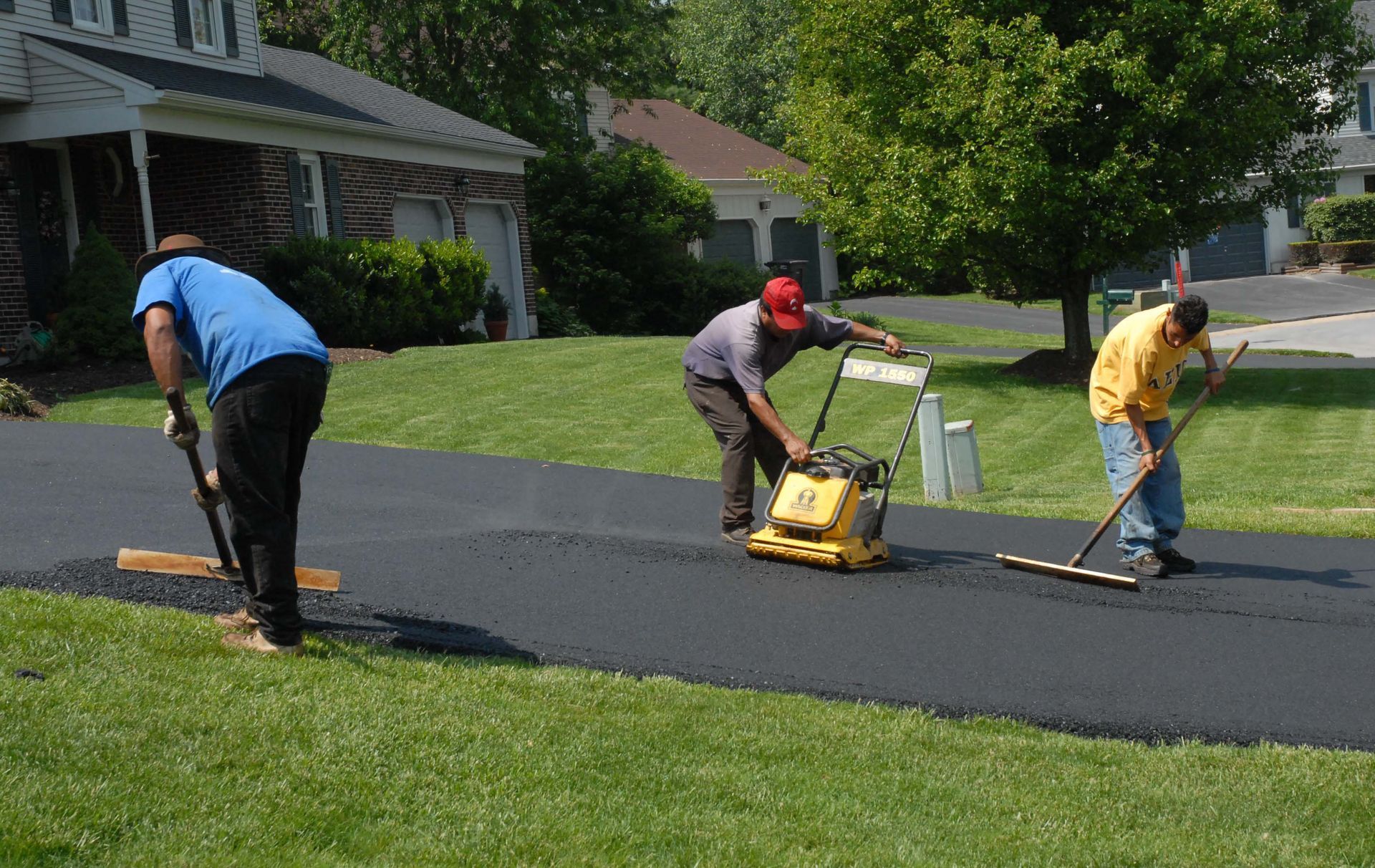
Early summer often represents a particularly favorable time for driveway paving projects, offering warm but not yet extreme temperatures alongside typically drier weather conditions compared to spring's often unpredictable rainfall patterns. This combination of factors creates ideal conditions for proper asphalt compaction and curing, while also reducing the risk of weather-related installation delays that can sometimes complicate spring paving schedules. Scheduling your project during early summer also allows the newly installed driveway adequate time to properly cure and harden before facing the more extreme heat that later summer months might bring in certain regions. This timing consideration helps explain why many paving contractors experience particularly high demand during these early summer weeks, making advance scheduling especially important if you're hoping to secure this popular timeframe. Understanding these specific advantages helps homeowners make more informed decisions when planning their preferred project timeline.
Understanding the Challenges of Winter Paving
Winter generally represents the least favorable time for driveway paving projects across most regions experiencing significant seasonal temperature drops, given how cold temperatures interfere with proper asphalt compaction and curing processes. Attempting to pave during winter months often results in a compromised final product, with reduced durability and increased susceptibility to premature cracking or deterioration compared to properly timed installations. Most reputable paving contractors decline to schedule new asphalt installation during winter months specifically because they understand these temperature-related quality concerns, prioritizing genuine project success over accommodating scheduling convenience. Understanding these winter limitations helps homeowners appreciate why patience and proper seasonal planning genuinely matter for achieving quality, long-lasting results from their driveway paving investment. This seasonal limitation represents an important consideration that should factor into how far in advance homeowners begin planning their specific paving project timeline.
Evaluating the Considerations of Fall Paving Projects
Early fall can still offer reasonably favorable conditions for driveway paving in many regions, though this window typically narrows considerably as temperatures begin their seasonal decline toward winter. Homeowners considering fall paving projects should work closely with their contractor to ensure adequate time remains before temperatures drop too significantly for proper asphalt installation and curing. This timing consideration becomes particularly important in regions experiencing earlier or more dramatic seasonal temperature shifts, where the practical fall paving window might be considerably shorter than in milder climates. Scheduling fall projects earlier within this seasonal window, rather than waiting until later in the season, helps provide additional buffer time in case weather conditions shift earlier than typically expected. Understanding these fall-specific considerations helps homeowners make more informed decisions if this particular season aligns better with their overall project timeline and planning needs.
Planning Around Contractor Availability and Demand
Given that late spring through early fall represents the most popular window for driveway paving projects, experienced contractors often experience significantly higher demand and correspondingly busier schedules during these peak months. This increased demand means homeowners hoping to schedule their project during these ideal timing windows should plan well in advance, sometimes several months ahead, to secure their preferred installation date. Waiting until the last minute to schedule paving work during peak season sometimes results in limited availability, potentially pushing your project into less ideal timing or requiring you to work with a less experienced provider who happens to have earlier availability. This practical scheduling consideration represents an important factor beyond simply understanding the ideal seasonal timing itself, since securing your preferred contractor often requires proactive advance planning. Recognizing this demand pattern helps homeowners approach their project planning with appropriate lead time for their specific preferred timeframe.
Consulting With Local Paving Professionals
While general seasonal guidelines provide helpful starting points, consulting directly with experienced local paving professionals helps identify the specific optimal timing for your particular region's climate patterns and your project's specific circumstances. Local contractors understand the nuanced weather patterns specific to their service area, often providing more precise timing recommendations than generic national guidelines might suggest. This local expertise becomes particularly valuable in regions with unique climate considerations, such as areas prone to unpredictable seasonal weather shifts or particularly extreme temperature variations. Taking time to have this conversation with potential contractors during your initial project planning helps ensure your specific timeline genuinely aligns with the conditions needed for a successful, lasting driveway paving installation. This professional consultation represents an important step in translating general seasonal guidelines into a specific, appropriate timeline for your individual project.
At Rhode Island Paveway Inc, we understand how much proper timing genuinely matters for achieving a durable, long-lasting driveway paving result, and we're committed to helping homeowners plan their projects during the optimal seasonal window for our specific regional climate. Our experienced team provides honest guidance about ideal timing, helping ensure your project achieves the quality results your investment deserves. We believe that proper planning, including thoughtful seasonal timing, is essential to a successful paving project, and we're dedicated to helping our clients navigate this important consideration. Whether you're ready to schedule your project now or simply planning ahead for the optimal timeframe, our knowledgeable team is here to help guide you through the process. If you're ready to plan your
driveway paving project with a trusted local provider, contact Rhode Island Paveway Inc today to schedule your consultation.

Share On: