
6 Things Local Paving Contractors Swear By
Local paving contractors employ several key tips and practices that promote durability, quality, and client satisfaction in their projects. In an industry where the quality and longevity of surfaces are pivotal, paving contractors lean heavily on certain age-old principles. These help in crafting robust structures and foster positive client relationships and successful projects. From the materials used to the expertise employed, every element plays a crucial role in the project's outcome. Understanding these facets can provide homeowners, developers, and municipal agencies with a clearer view of what goes into laying down roads, driveways, and other paved surfaces that stand the test of time.
1. Quality Materials
The foundation of any successful paving project lies in the quality of materials used. Contractors consistently choose superior quality materials for longevity and reliability in their projects. Asphalt, widely used for its flexibility and resilience, is central to the paving process. Contractors often note that high-quality material can withstand weather variations and heavy traffic, crucial for public roads and highways and the rigorous demands of modern transportation.
Choosing the right materials also impacts maintenance and repair costs over time. Paving projects, especially those involving public spaces, require a detailed analysis of the return on investment concerning material durability. The use of premium materials can significantly reduce the frequency of repairs, providing long-term financial savings. Local paving contractors prioritize materials that align with both performance and economic sustainability.
According to the Asphalt Pavement Alliance, a sweeping 94% of roads in the nation are surfaced with asphalt, highlighting the significance of quality in asphalt production. The collective traversal of more than 3 trillion miles annually underscores the need for dependable materials. This extensive usage necessitates that contractors vigilantly choose safe, high-quality options to prevent premature wear. By doing so, they contribute to infrastructure that supports the heavy demands of daily commutes and logistics.
2. Expert Planning and Design
Effective planning begins with a thorough assessment of the site, which is essential for any paving project. Local paving contractors excel in conducting exhaustive examinations of the terrain, topology, and environmental conditions that may influence the project. This evaluation allows them to anticipate challenges and develop strategies to mitigate potential issues. Contractors create designs that are both functional and aesthetic, tailored to the specific requirements of the locale.
Site assessments help identify the best-suited materials and techniques. For example, soil composition may dictate the type of foundation or drainage systems needed. Understanding these dynamics allows for a customized approach, enhancing the durability and performance of the finished pavement. Contractors use their expertise to make informed decisions that align with both the technical and financial constraints of their clients.
Collaborative efforts during site assessments often involve engineers, architects, and environmental specialists. This interdisciplinary approach facilitates a comprehensive understanding of project demands, allowing for smarter, more cost-effective decisions and improved safety. This cooperation serves as a testament to the contractors' commitment to quality and excellence in every project they undertake.
3. Professional Training
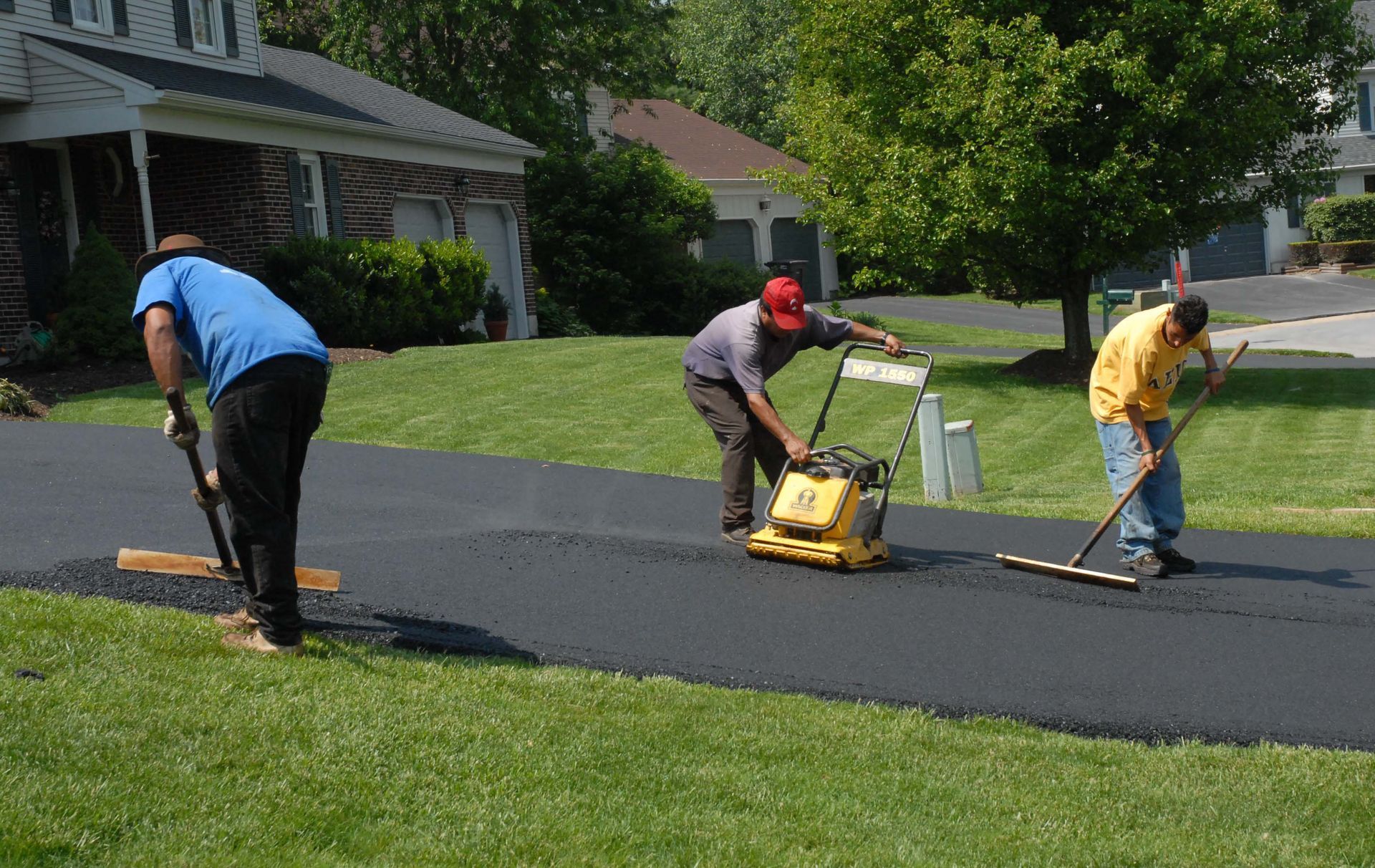
A skilled workforce is another crucial factor local paving contractors depend on for successful project execution. The complexity of modern paving projects demands a team knowledgeable and experienced in handling various aspects of the job. Skilled laborers bring a depth of understanding to their tasks. Moreover, their expertise allows for quick problem-solving, minimizing delays and maintaining the project's timeline.
Continual training and development are central to maintaining a competitive edge. In the paving industry, staying updated with the latest techniques and technologies is critical. Local contractors invest in programs that refine the skills of their workforce, equipping them with modern methodologies and tools. This not only enhances their capabilities but also boosts morale and professional development among employees.
Safety is paramount, and local contractors emphasize rigorous protocols and procedures. Skilled laborers are trained to adhere to these guidelines, reducing the risk of accidents on site. Safety training is an integral part of their education, solidifying a culture of safety-first practices. Contractors commit to protecting both their workforce and the public, reinforcing their reputation as responsible and reliable service providers.
4. State-of-the-Art Equipment
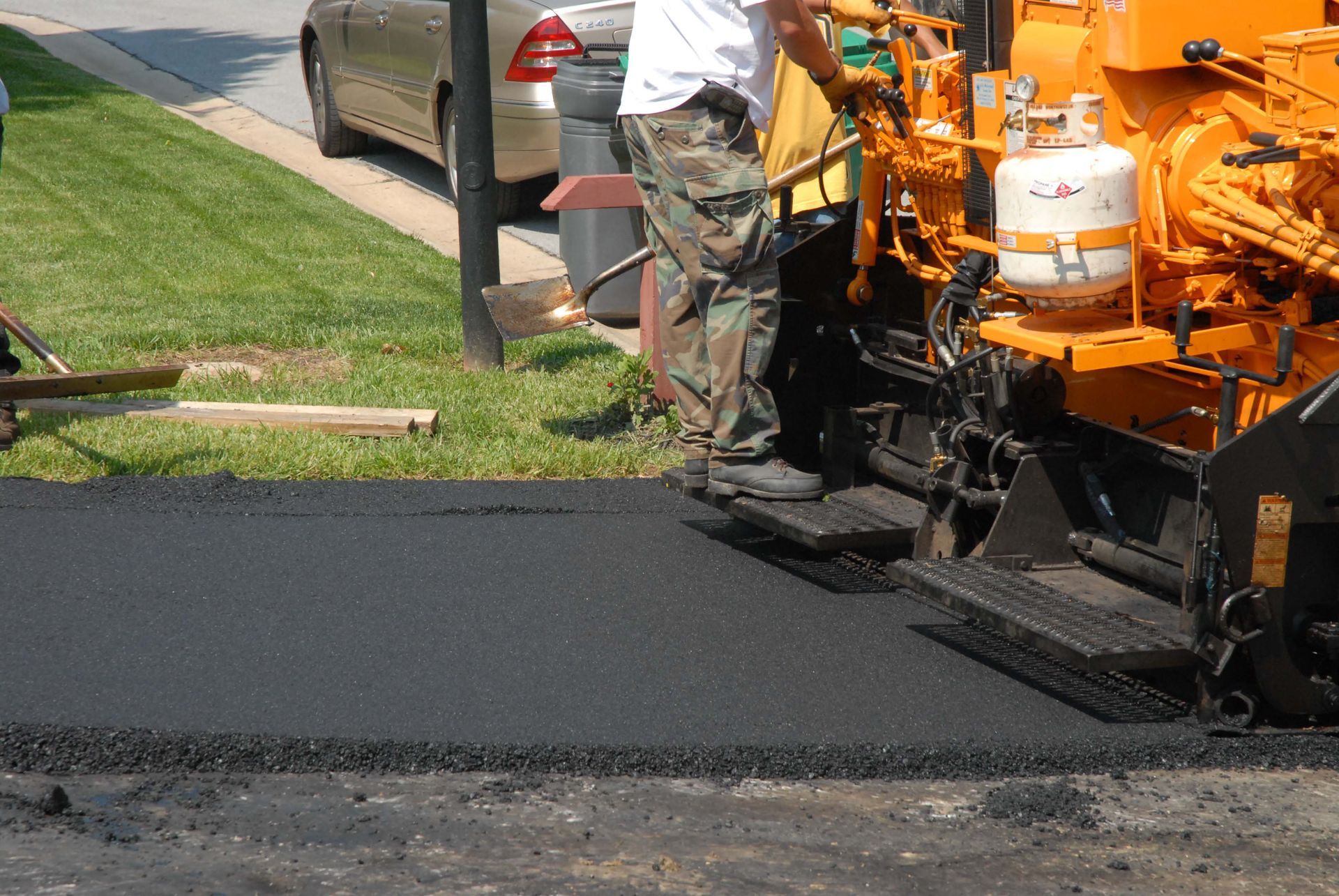
The integration of state-of-the-art machinery is vital in achieving superior paving results. Advanced equipment increases the efficiency and precision of operations, allowing contractors to complete projects faster and with higher quality. Modern machinery also reduces manual labor, diminishing the likelihood of human errors. As technology evolves, equipment is designed to provide consistency and uniformity across large areas.
Adopting sustainable technologies is pivotal for modern contractors, aligning with growing environmental concerns. Many advanced machines are engineered with eco-friendly features, minimizing emissions and energy consumption. Local paving contractors prioritize equipment that supports their sustainability goals. They recognize that sustainable operations not only benefit the environment but also resonate positively with eco-conscious clients.
Equipment maintenance is indispensable for operational efficiency and longevity. Regular inspection and servicing prevent unexpected breakdowns and prolong the lifespan of the machinery. This diligence minimizes project disruptions and delays, allowing for a smoother construction process. Investing in the upkeep of advanced equipment demonstrates a contractor's commitment to excellence and reliability, enhancing their reputation for quality service delivery.
5. Environmental Impact
Environmental sustainability plays an increasingly important role in paving projects, with contractors exploring innovative, eco-friendly solutions. Implementing green practices involves using recycled materials, reducing waste, and minimizing resource use wherever possible. Eco-friendly techniques, such as permeable surfaces, allow for superior stormwater management and reduced runoff. These practices enhance environmental outcomes while improving the functionality and longevity of the pavement.
Recycling and reusing materials is a strategy many paving contractors employ to decrease environmental impact. Using reclaimed asphalt pavement (RAP) and other recycled materials reduces the need for virgin resources and cuts down on waste. Local paving contractors leverage these materials' benefits, contributing to project durability and resilience. This approach aligns with national trends, as more municipalities require sustainable construction practices.
Paving contractors must also consider the local climate and its potential impact on materials and techniques. By understanding regional weather patterns, contractors select designs tailored to withstand environmental stresses such as temperature fluctuations and freeze-thaw cycles. Adapting to local climatic conditions reduces maintenance needs and extends the pavement's lifespan.
6. Excellent Client Relations
Fostering strong client relationships is paramount, as successful projects hinge on clear communication and mutual understanding. Contractors prioritize open dialogue with clients from inception to completion. By discussing objectives, timelines, and potential challenges, they set realistic expectations and establish a collaborative rapport. This communication extends beyond technical facets, involving aesthetic preferences and functionality requirements that align with clients' visions.
Building relationships with clients is essential for success in the paving industry. Clients gain confidence in the contractor's ability to deliver quality results. Trust forms the backbone of these relationships, often resulting in repeat business and valuable referrals. Contractors who consistently prioritize their clients' interests foster an enduring positive reputation and industry standing.
Through active listening and effective communication, contractors capture insights that guide the design and execution process to exceed expectations. This methodology places the client's needs at the forefront, resulting in greater satisfaction and project success. Consistency allows contractors to bolster relationships, cultivating a wealth of recommendations and repeat engagements.
Local paving contractors excel by engaging in practices that prioritize material quality, advanced planning, skilled labor, state-of-the-art technology, environmental responsibility, and exceptional client relationships. Each area delineates a complex matrix of interdependent elements, channeling expertise and resources toward optimal project outcomes. As transportation infrastructure continues to evolve, these professionals remain steadfast in their commitment to high standards and innovative solutions. Transform your property’s curb appeal with Rhode Island Paveway Inc and contact their dedicated experts in precision asphalt paving and custom hardscaping solutions.

Share On: