
Why Top Paving Companies Prioritize Proper Site Preparation
The foundation of any successful asphalt project is laid long before the first drop of hot material ever touches the ground. While many homeowners and business managers focus on the smooth, dark finish of a fresh surface, the secret to longevity lies beneath that exterior. Professional crews understand that the aesthetic beauty of a project is fleeting if the underlying structure is compromised.
A strategic approach to installation involves a deep understanding of soil mechanics and drainage patterns. It is not enough to simply cover an area with a new layer; one must ensure that the environment is ready to support the weight and traffic demands of the future. This meticulous attention to detail is what separates a temporary fix from a generational improvement.
Evaluating Soil Stability
The initial phase of any project involves a thorough assessment of the existing earth. Soil types vary significantly from one location to another, and some are far more prone to shifting than others. Sandy soils provide excellent natural drainage but may lack the cohesive strength needed for heavy loads. In contrast, clay-rich soils tend to hold moisture, which can lead to expansion and contraction during seasonal changes.
Identifying these characteristics allows the crew to determine if the ground requires additional stabilization. Sometimes, the existing earth must be removed and replaced with more reliable material to prevent future sinking.
Designing Effective Drainage
Water is the primary enemy of any paved surface. If moisture is allowed to pool beneath the asphalt or sit on the surface for extended periods, it will eventually seep into the sub-base and weaken the entire structure. Strategic grading is the most effective way to combat this issue. Experts calculate the necessary slope to ensure that runoff flows away from the center of the surface and toward designated drainage areas.
Proper drainage design prevents the formation of puddles that can lead to hydroplaning or ice patches. Furthermore, it protects the edges of the pavement from erosion, which is where many surfaces first begin to show signs of wear. A well-planned slope is a silent protector that adds years of life to the installation.
Implementing Heavy Machinery
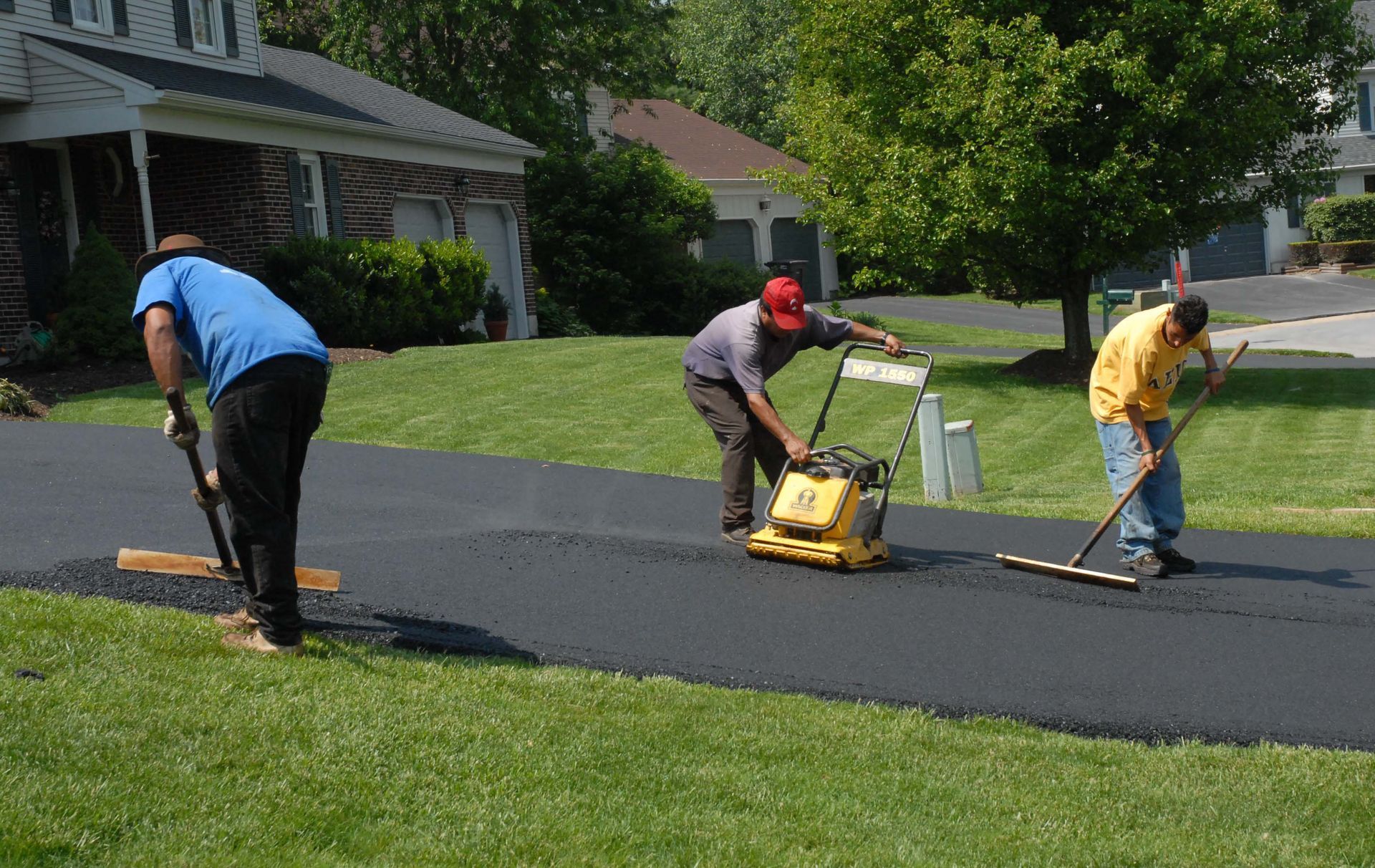
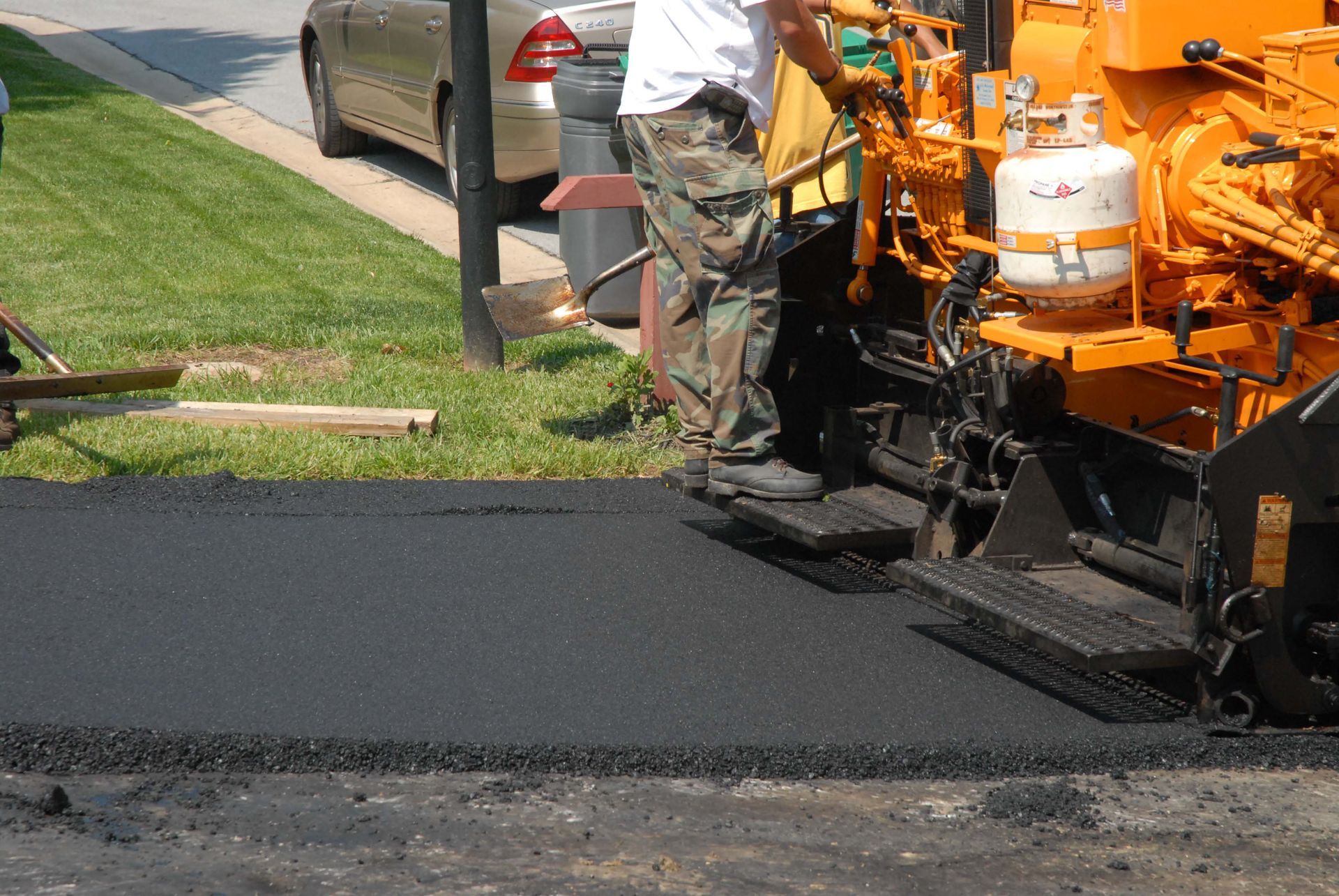
Modern construction relies on a suite of specialized tools to achieve a level of precision that was once impossible. From excavators that remove old debris to pavers that distribute material with exacting thickness, the equipment used plays a major role in the final result. Skilled paving contractors rely on these machines to transform a rough site into a perfectly prepared canvas.
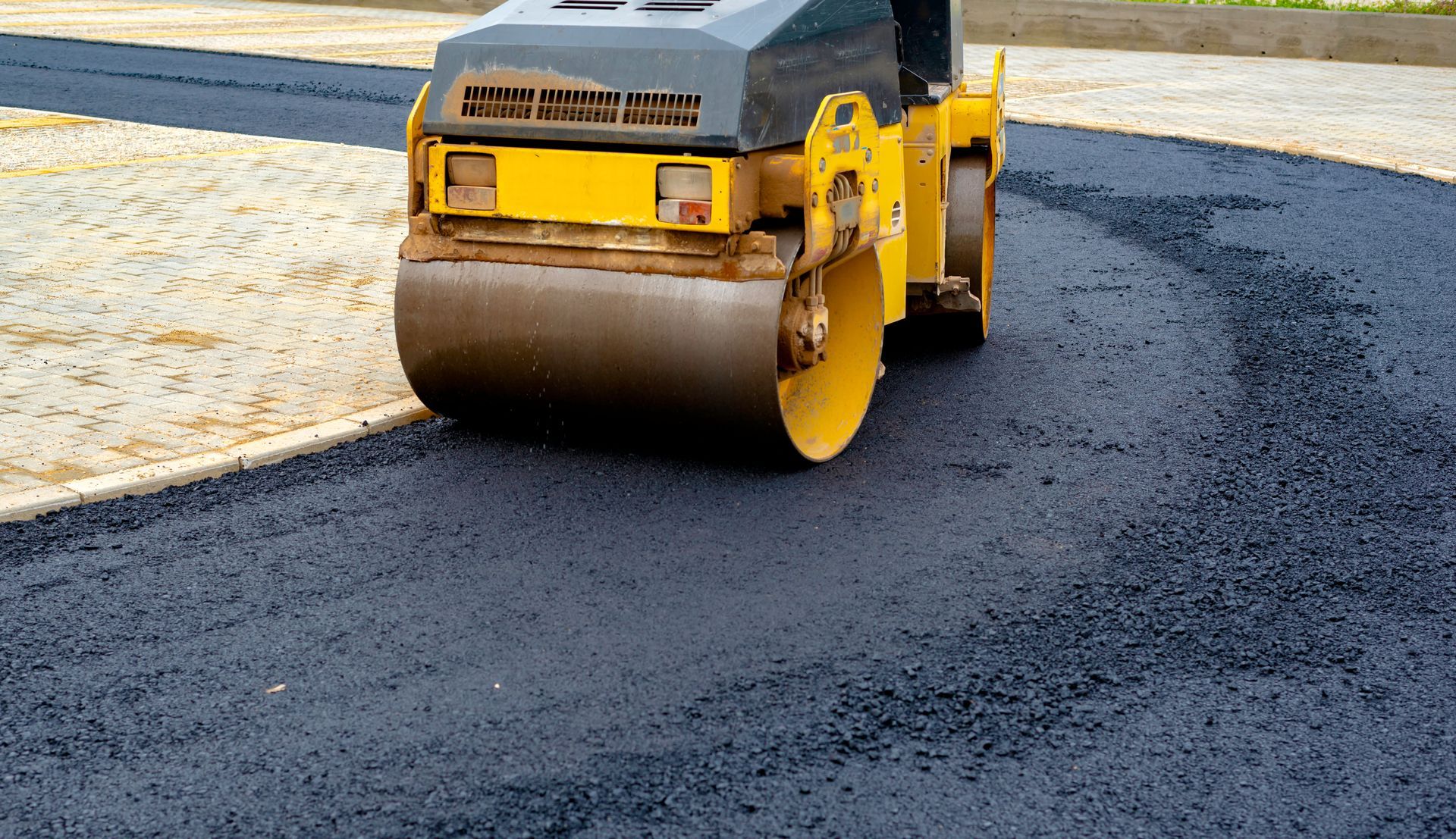
The use of heavy rollers is particularly important during the compaction phase. These machines exert massive pressure to remove air pockets from the base layers. This density is what provides the structural integrity needed to support vehicles without rutting or shifting. When paving contractors utilize the right machinery for the specific terrain, the efficiency and quality of the build increase exponentially.
Balancing Material Costs
Investing in high-quality materials is a hallmark of a reputable operation. The composition of the asphalt mix must be tailored to the local climate and the intended use of the surface.
The financial scope of the industry reflects this ongoing demand for quality infrastructure. According to Cognitive Market Research, by 2033, the Paving Asphalt market size will become $49 million. This growth underscores the global reliance on durable surfaces for transportation and commerce. It also highlights why choosing experienced paving contractors is a wise financial decision, as they understand how to navigate market fluctuations while maintaining high standards for every project.
Compacting Sub-Base Layers
Once the soil is prepared and the drainage plan is set, the sub-base is installed. This layer usually consists of crushed stone or recycled materials that provide the primary load-bearing capacity for the surface. Proper compaction of this layer is non-negotiable. If the stone is loose, the asphalt will eventually crack as the stones settle under the weight of traffic.
To ensure the best results, teams follow a specific sequence of actions during the compaction process:
- Spreading the aggregate in uniform lifts to ensure even thickness across the entire site.
- Monitoring moisture levels in the stone to facilitate maximum density during rolling.
- Testing the compaction levels with specialized gauges to verify that the base meets engineering specifications.
- Clearing any loose debris or organic matter that could rot and create voids over time.
- Checking the final grade one last time before the hot mix arrives to ensure it matches the drainage plan.
Finishing Surface Details
The final steps of the preparation phase involve clearing the edges and ensuring a clean transition to existing structures like curbs, gutters, or garage floors. These joints are often the most vulnerable points of a project. If the transition is not seamless, water can enter the gap and cause the asphalt to lift or crumble at the edges.
Reputable paving contractors take the time to hand-finish these areas, ensuring a tight seal and a professional appearance. This level of craftsmanship prevents the "unraveling" effect that occurs when edges are left jagged or poorly compacted. It is this final check that guarantees the surface looks as good as it performs.
Selecting Professional Paving Contractors
Choosing the right team for the job is perhaps the most critical decision a property owner will make. Experience matters because no two sites are identical. A crew that has worked in the region for years will understand the specific challenges posed by local weather and soil conditions. They will also have established relationships with material suppliers, ensuring that the asphalt delivered to the site is fresh and at the correct temperature for installation.
When interviewing paving contractors, it is important to ask about their preparation process. A company that glosses over the sub-base or drainage plan is likely cutting corners that will cost you more in the long run. Professional paving contractors will be happy to explain the science behind their site prep, as they take pride in the durability of their work.
Maintaining New Asphalt
Once the installation is complete, the responsibility shifts toward preservation. While the preparation phase ensures a strong start, regular maintenance keeps the surface in top condition.
The following maintenance tasks are recommended for any new surface:
- Keeping the surface clear of heavy debris and sharp objects that could puncture the top layer.
- Removing oil spills or chemical leaks quickly to prevent the asphalt from softening.
- Inspecting the drainage points regularly to ensure they are not blocked by leaves or dirt.
- Scheduling a professional assessment after the first few seasons to check for any settling.
- Avoiding the use of heavy equipment on the edges of the pavement where support is naturally lower.
By adhering to these simple steps, the work of the paving contractors is preserved for decades. A little bit of care goes a long way in protecting the significant investment made in the property.
Promoting Long-Term Durability
The true value of a paved surface is measured in years of service. A project that looks great for a few months but begins to fail after the first winter is a poor investment. By emphasizing the importance of site preparation, property owners ensure they are getting a surface that can withstand the test of time.
This commitment to quality affects more than just the immediate area. Smooth, durable surfaces reduce wear and tear on vehicles and improve the overall safety of the environment. Whether it is a small residential driveway or a large commercial parking lot, the principles of proper engineering remain the same.
Investing in Quality Results
In an era where speed is often prioritized over quality, taking the time to do the job right is a refreshing and necessary approach. Proper site preparation may take longer and require more labor, but the results speak for themselves. The absence of potholes, cracks, and standing water is the ultimate reward for a well-executed plan.
When you are ready to transform your property with a surface built to last, you need a team that values precision and integrity. For expert installation and a commitment to excellence in every phase of the project, reach out to the experienced team at Rhode Island Paveway Inc.
Share On: